Physical Address
304 North Cardinal St.
Dorchester Center, MA 02124
Physical Address
304 North Cardinal St.
Dorchester Center, MA 02124
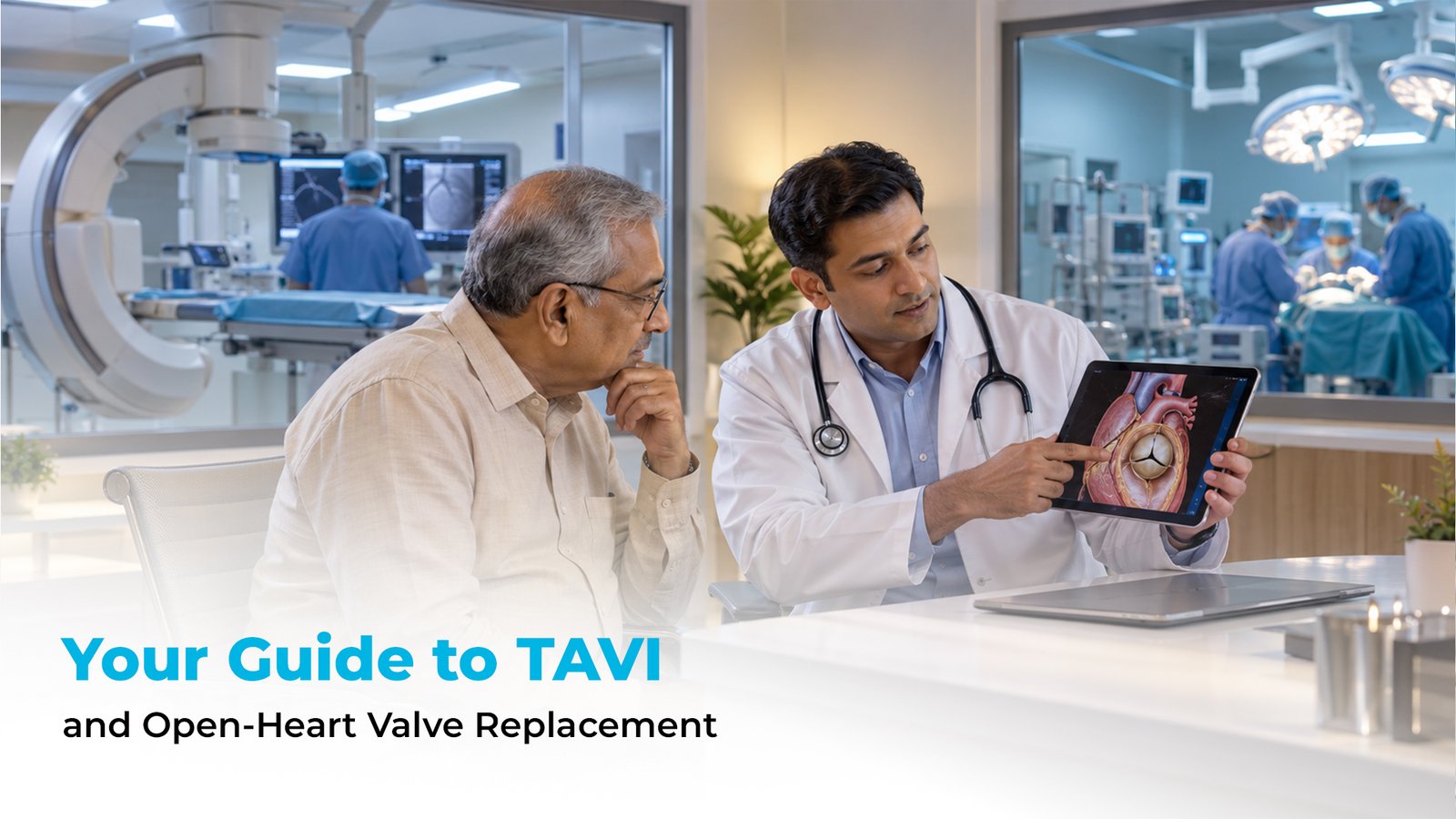
When a person is diagnosed with severe aortic valve disease, one of the biggest concerns is choosing the right treatment. For many patients, especially older adults, the decision may come down to TAVI vs open-heart surgery.
Both procedures are designed to treat a narrowed aortic valve, known as aortic stenosis, but they work in different ways. Understanding the differences can help patients and their families have a more informed discussion with their cardiologist.
Aortic stenosis occurs when the aortic valve becomes narrowed and does not open properly. This makes it harder for the heart to pump blood to the rest of the body.
As the condition progresses, patients may experience symptoms such as:
Severe aortic stenosis may require valve replacement because medicines alone cannot correct the narrowed valve.
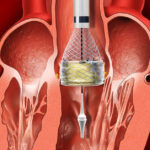
TAVI, or Transcatheter Aortic Valve Implantation, is a minimally invasive procedure used to replace a diseased aortic valve.
Instead of opening the chest and removing the existing valve, a replacement valve is delivered through a catheter, commonly through an artery in the groin. The new valve is positioned inside the diseased valve and begins functioning to improve blood flow.
One of the major advantages of TAVI is that it generally avoids the large chest incision associated with conventional open-heart surgery.
Traditional surgical aortic valve replacement involves an operation in which the surgeon accesses the heart through the chest and replaces the damaged valve with an artificial valve.
Surgical valve replacement has been an established treatment for aortic valve disease for many years and remains an important option for selected patients.
The choice between surgery and TAVI depends on several individual factors rather than age alone.
The main difference between the two procedures is how the replacement valve is delivered.
TAVI:
Open-heart surgery:
Neither treatment is automatically better for every patient. The appropriate option depends on the patient’s overall health, anatomy, valve condition and other medical considerations.
TAVI is often considered for patients with severe symptomatic aortic stenosis, particularly when a minimally invasive approach may provide advantages.
Doctors may consider factors including:
For elderly patients or those with conditions that may increase the risks of conventional surgery, TAVI can be an important treatment option.
However, TAVI is not suitable for everyone. A detailed evaluation is necessary before making a treatment decision.
Safety depends on the individual patient and the specific procedure being considered.
TAVI can offer important advantages for appropriately selected patients because it is less invasive and may allow earlier mobility and recovery. At the same time, TAVI has its own potential risks, including bleeding, vascular complications, stroke, infection, valve-related complications and the possible need for a pacemaker.
Open-heart surgery also carries risks, particularly in patients with other health conditions, but it remains an effective and appropriate treatment for many people.
This is why treatment decisions should be based on an individual assessment rather than comparing the procedures in isolation.
Choosing between TAVI vs open-heart surgery requires a detailed cardiac evaluation.
A cardiology team may review imaging tests such as an echocardiogram and CT scan, along with the patient’s symptoms, medical history and overall health.
The heart team then considers the potential benefits and risks of each approach. In some cases, TAVI may be recommended. In others, surgical valve replacement may provide a better solution.
Patients looking for TAVI in Chennai should seek evaluation from an experienced cardiac team that can assess their individual condition and explain the available treatment options.
For families dealing with severe aortic stenosis, understanding the differences between TAVI and open-heart surgery is an important first step. The final decision should always be made after a detailed consultation with a qualified cardiologist and heart team.
Both TAVI and open-heart surgery can provide effective treatment for severe aortic stenosis. The right choice depends on the patient’s age, health, symptoms, valve condition, anatomy and individual treatment goals.
If you or a family member has been diagnosed with severe aortic stenosis, do not delay evaluation. Discuss your options with a cardiologist to understand whether TAVI or surgical valve replacement may be appropriate for your condition.