Physical Address
304 North Cardinal St.
Dorchester Center, MA 02124
Physical Address
304 North Cardinal St.
Dorchester Center, MA 02124
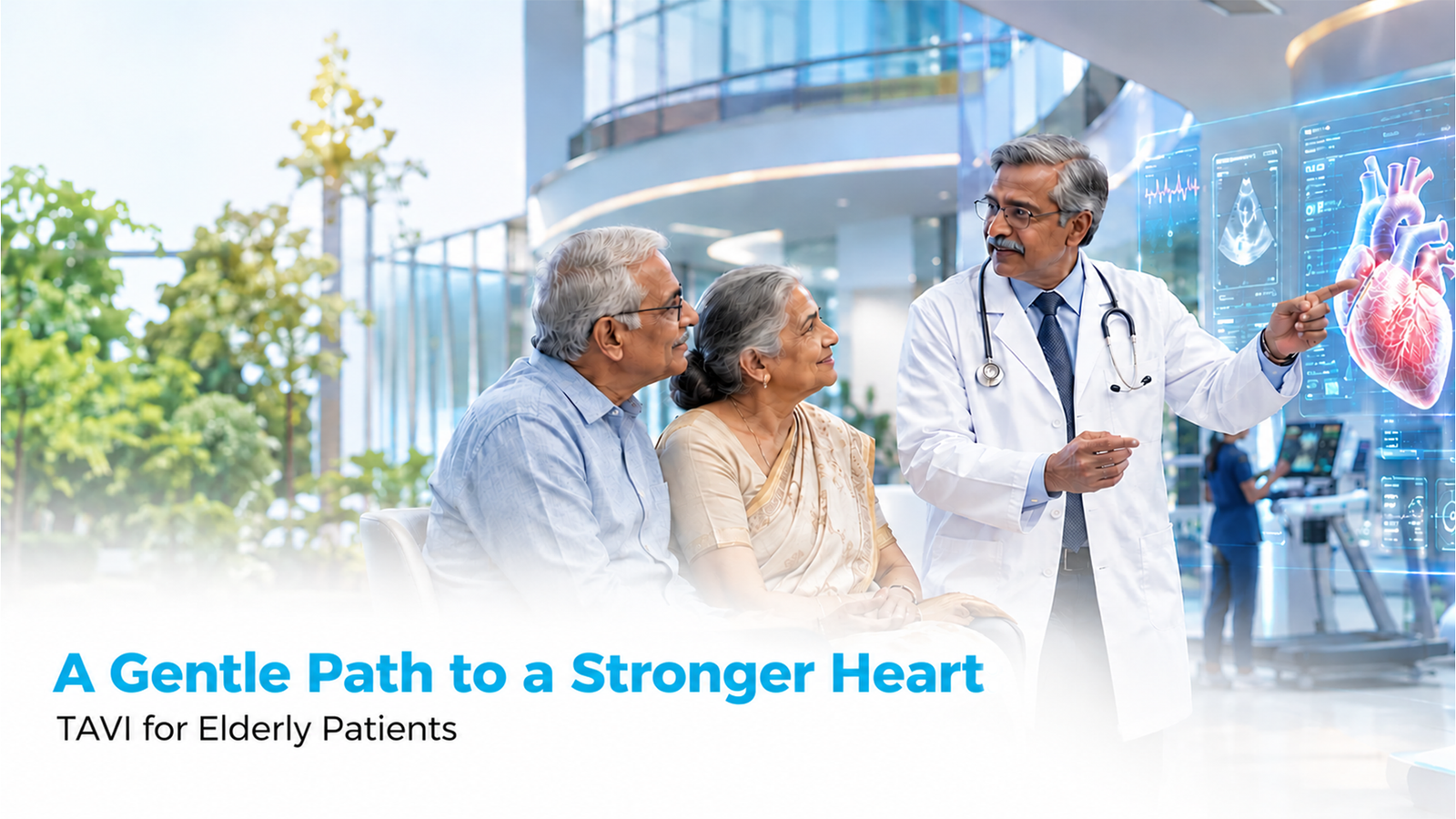
As people grow older, heart valve problems can become an important health concern. One of the most common conditions affecting older adults is aortic stenosis, a condition in which the aortic valve becomes narrowed and makes it harder for the heart to pump blood effectively.
For some elderly patients with severe aortic stenosis, Transcatheter Aortic Valve Implantation (TAVI) can provide an alternative to traditional open-heart valve replacement. Because TAVI is performed through a catheter rather than requiring conventional open-heart surgery, it may be particularly useful for selected patients who have increased risks associated with surgery.
If you or a family member has been diagnosed with aortic stenosis, understanding who may benefit from TAVI can help you have a more informed discussion with a cardiologist.
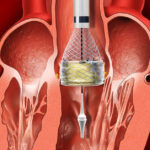
TAVI, also known as Transcatheter Aortic Valve Replacement (TAVR), is a minimally invasive procedure used to replace a narrowed or diseased aortic valve.
Instead of opening the chest to remove and replace the damaged valve, doctors typically access the heart through a blood vessel, often through the femoral artery in the groin. A replacement valve mounted on a catheter is guided to the heart and positioned within the diseased aortic valve.
The replacement valve then begins functioning to improve blood flow from the heart.
Age can increase the risk associated with major surgery, particularly when a person also has other health conditions. Elderly patients may have conditions such as diabetes, kidney disease, lung problems, previous heart procedures, or reduced physical strength.
TAVI may offer selected patients a less invasive treatment approach.
However, TAVI is not automatically the right choice for every older adult. The decision depends on several factors, including overall health, severity of valve disease, anatomy, life expectancy, surgical risk, and the expected benefits of treatment.
A cardiology team may consider TAVI for patients with severe aortic stenosis, particularly when traditional surgery may carry significant risks.
Potential candidates may include:
TAVI is commonly considered in older adults with severe symptomatic aortic stenosis. Symptoms can include breathlessness, chest discomfort, fatigue, dizziness, or fainting.
Some patients may have medical conditions that make conventional surgical valve replacement more challenging. A multidisciplinary heart team can assess the individual’s surgical risk and determine whether a catheter-based approach may be appropriate.
Aortic stenosis can gradually affect a person’s ability to walk, climb stairs, perform household activities, or maintain their usual routine.
When severe valve disease is responsible for these symptoms, valve replacement may be considered.
Every patient is different. Age alone should not determine treatment. Doctors may evaluate medical history, imaging results, valve anatomy, vascular access, heart function, and other factors before recommending TAVI or surgical valve replacement.
Aortic stenosis can sometimes develop gradually, and patients may initially attribute symptoms to normal ageing.
Important symptoms can include:
If these symptoms are new, worsening, or unexplained, medical evaluation is important.
The major difference is how the replacement valve is delivered.
Traditional surgical aortic valve replacement generally involves open-heart surgery to remove the diseased valve and replace it with a new valve. TAVI uses a catheter to deliver and implant the replacement valve.
For appropriate patients, TAVI may offer advantages such as a less invasive procedure and potentially shorter recovery compared with traditional surgery. However, the risks and benefits vary between individuals.
The choice between TAVI and surgery should therefore be made after a detailed assessment by an experienced heart team.
Before recommending TAVI, doctors generally perform a detailed evaluation. This may include:
These assessments help the heart team determine whether TAVI is technically suitable and whether its expected benefits outweigh the risks.
Recovery varies from person to person. Since TAVI does not usually involve the same type of chest incision as conventional open-heart surgery, recovery may be easier for some patients.
Doctors will monitor the patient’s heart rhythm, valve function, blood pressure, access site, and overall recovery following the procedure.
Patients are also advised to follow their cardiologist’s recommendations regarding medications, activity, follow-up appointments, and other aspects of recovery.
No. This is an important point.
Being over 65 or 70 does not automatically make someone a candidate for TAVI. Similarly, being older does not necessarily mean that open-heart surgery is unsuitable.
The appropriate treatment depends on the patient’s individual condition.
A cardiologist and heart team may consider:
A personalized evaluation is essential before making a treatment decision.
If an older family member has been diagnosed with aortic stenosis or has unexplained breathlessness, chest pain, dizziness, or fainting, it is important not to dismiss these symptoms as simply part of ageing.
A cardiology evaluation can help determine whether the symptoms are related to the heart and whether further testing or valve treatment is necessary.
For patients and families looking for a TAVI specialist in Chennai, discussing the diagnosis with an experienced cardiologist can help clarify whether TAVI, surgical valve replacement, or another approach may be appropriate.
TAVI has become an important treatment option for selected patients with severe aortic stenosis, particularly older adults for whom traditional surgery may present greater challenges. Its minimally invasive approach can make valve replacement possible for patients who may not be ideal candidates for conventional surgery.
However, TAVI is not a one-size-fits-all treatment. The best option depends on the patient’s valve condition, overall health, anatomy, surgical risk, and individual treatment goals.
If you or a loved one has been diagnosed with severe aortic stenosis, seeking timely cardiology advice can help you understand the available treatment options and make an informed decision about the next step.