Physical Address
304 North Cardinal St.
Dorchester Center, MA 02124
Physical Address
304 North Cardinal St.
Dorchester Center, MA 02124

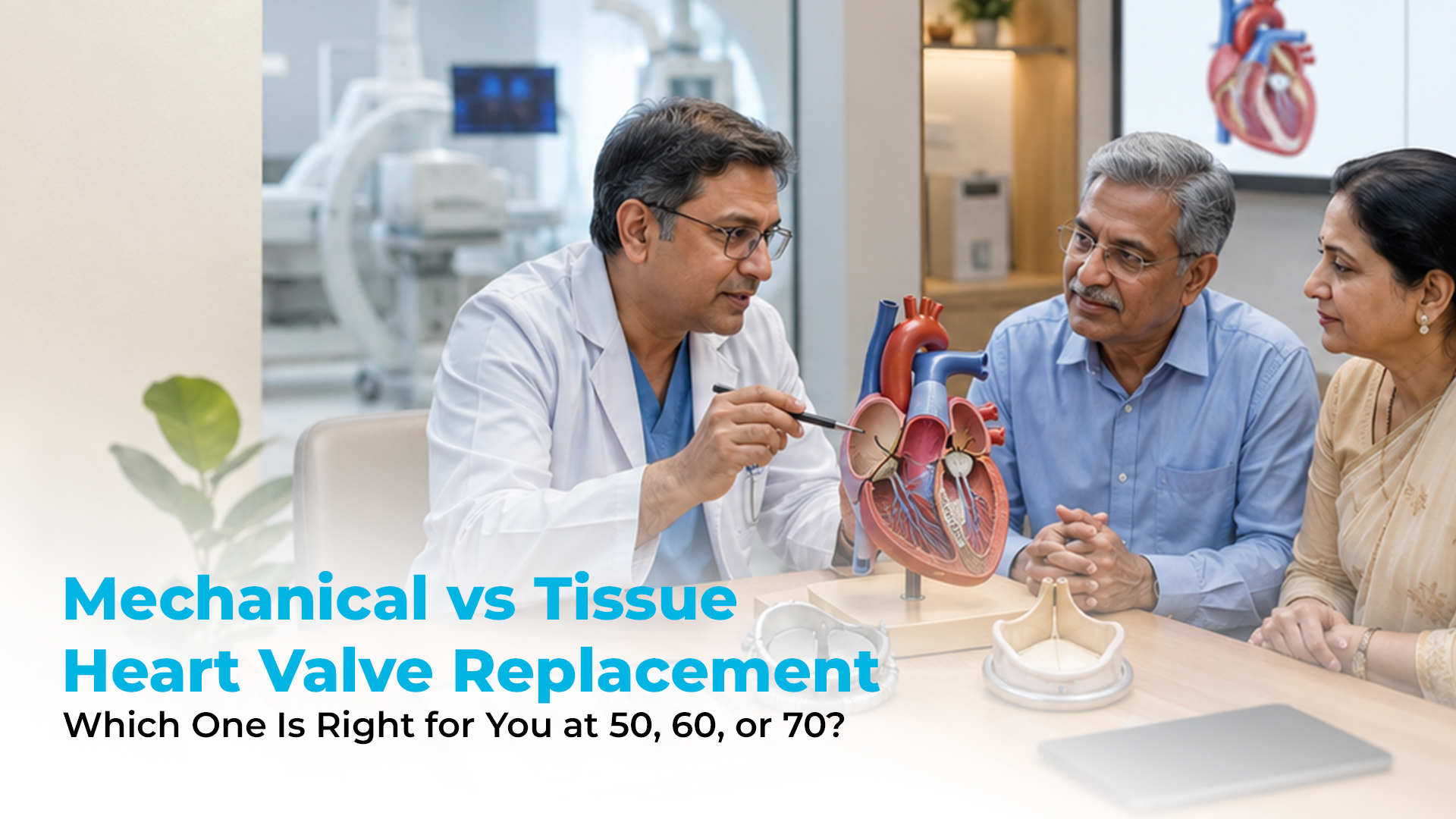
When a damaged heart valve can no longer function properly, valve replacement surgery may become the best treatment option. One of the most common questions patients ask is whether they should choose a mechanical valve or a tissue valve. The answer depends on several factors, including your age, overall health, lifestyle, and long-term medical needs.
If you’re researching mechanical vs tissue heart valve replacement in India, this guide explains the differences in simple terms to help you have an informed discussion with your cardiologist.
Heart valves ensure blood flows in the correct direction through the heart. When a valve becomes severely narrowed (stenosis) or leaky (regurgitation), the heart has to work harder to pump blood.
Common symptoms include:
When medication is no longer enough, replacing the damaged valve can significantly improve quality of life and heart function.
Heart valve replacement generally involves choosing between the following:
Each has its own advantages and considerations.
A mechanical valve is made from durable materials such as carbon and metal. These valves are designed to last for decades and are highly resistant to wear.
Patients with mechanical valves usually need lifelong blood-thinning medication to prevent blood clots. Regular blood tests are also necessary to monitor the effectiveness of these medications.
For many patients comparing mechanical vs tissue heart valve replacement in India, the need for lifelong anticoagulant therapy is one of the most important deciding factors.
A tissue valve is made from animal tissue or donated human tissue. These valves function similarly to natural heart valves.
Tissue valves gradually wear out over time and may eventually require replacement, especially in younger patients.
Age is one of the most important considerations when selecting a replacement valve.
Patients in their 50s generally have a longer life expectancy, making durability an important factor.
A mechanical valve may reduce the likelihood of needing another valve replacement later in life. However, patients must be comfortable taking lifelong blood-thinning medication and attending regular follow-up appointments.
At this age, both valve types may be appropriate depending on the following:
The decision is often individualised after discussion with the cardiac care team.
Many patients in their 70s benefit from tissue valves because they typically avoid the need for lifelong anticoagulation while providing excellent function for many years.
However, every patient is unique, and treatment decisions should always be based on a complete medical evaluation.
Choosing between mechanical vs tissue heart valve replacement in India involves much more than age alone.
Your doctor will assess the following:
A personalised approach helps ensure the best long-term outcome.
Whether you receive a mechanical or tissue valve, recovery includes:
Most patients notice improved breathing, increased energy, and better exercise tolerance after recovery.
Yes. Lifestyle plays an important role.
Patients with mechanical valves need to carefully manage blood-thinning medication, which may affect certain sports, occupations, or activities with a higher risk of injury.
Those who prefer to avoid lifelong anticoagulation may find a tissue valve more suitable, depending on their overall health and age.
Discussing your daily routine and future plans with your cardiologist helps identify the most appropriate option.
Before making your decision, consider asking your heart specialist:
Being well-informed helps you make a confident decision.
Successful valve replacement allows many patients to return to active, fulfilling lives.
To maintain good heart health:
Regular medical care plays an essential role in ensuring long-term valve function.
Choosing between mechanical vs tissue heart valve replacement in India is a personal decision that depends on your age, health, lifestyle, and long-term treatment goals. Mechanical valves offer exceptional durability but usually require lifelong blood-thinning medication, while tissue valves often provide greater convenience but may eventually need replacement.
Whether you are 50, 60, or 70, the best choice is the one that matches your individual medical needs and life circumstances. A detailed consultation with an experienced cardiologist and heart team will help you select the valve that offers the safest treatment and the best quality of life for years to come.