Physical Address
304 North Cardinal St.
Dorchester Center, MA 02124
Physical Address
304 North Cardinal St.
Dorchester Center, MA 02124
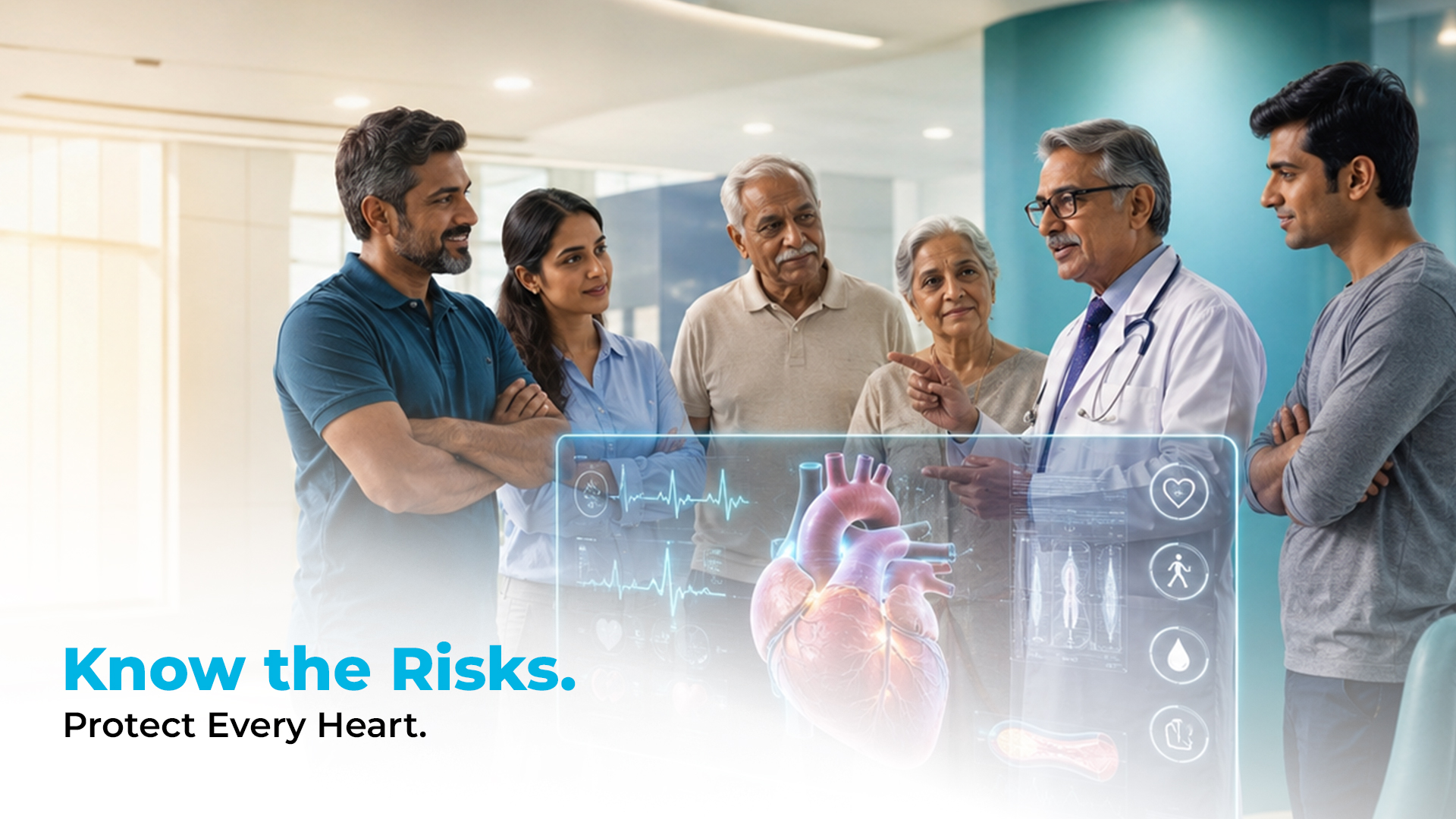
High blood pressure, also known as hypertension, is one of the leading causes of heart disease worldwide. Often called the “silent killer”, it usually develops without noticeable symptoms but can quietly damage your heart, blood vessels, brain, and kidneys over time. Many people are unaware they have high blood pressure until they experience a serious health problem such as a heart attack or stroke.
Understanding the connection between high blood pressure heart disease can help families take preventive steps and protect their loved ones from life-threatening complications.
Blood pressure measures the force of blood pushing against the walls of your arteries. When this pressure remains consistently high, the heart has to work harder to pump blood throughout the body.
Over time, this extra strain can weaken the heart and damage the blood vessels, increasing the risk of several cardiovascular diseases.
Because high blood pressure often causes no symptoms, regular health checkups are the only reliable way to detect it early.
The relationship between high blood pressure heart disease is well established. When blood pressure remains uncontrolled for months or years, it can lead to several serious conditions.
These include:
The longer hypertension remains untreated, the greater the risk of permanent damage.
Unlike many illnesses, high blood pressure usually doesn’t cause pain or obvious warning signs in its early stages.
Many individuals continue their normal daily lives while damage gradually occurs inside the body.
Some people may eventually experience:
However, many patients develop complications without experiencing any symptoms at all.
Anyone can develop hypertension, but certain factors increase the risk.
These include:
Having multiple risk factors significantly increases the likelihood of developing high blood pressure heart disease.
Hypertension doesn’t affect just one person—it impacts the entire family. When one family member develops heart disease, loved ones often become caregivers, facing emotional and financial challenges.
The good news is that hypertension is both detectable and manageable. Families can support each other by:
Healthy habits are easier to maintain when everyone participates.
Diagnosing hypertension is simple and painless.
Your doctor will:
Early diagnosis allows treatment before complications develop.
Yes. In most cases, hypertension can be successfully managed through a combination of lifestyle changes and medication.
Your doctor may recommend:
Following your treatment plan greatly reduces the risk of high blood pressure heart disease.
Seek urgent medical care if high blood pressure is accompanied by:
These symptoms may indicate a heart attack, stroke, or hypertensive emergency.
Preventing hypertension is one of the best ways to protect your heart.
Simple lifestyle habits include:
Consistency is the key to long-term heart health.
Routine heart evaluations are especially important for people with hypertension. Your cardiologist can monitor your heart health, detect early changes, and recommend timely treatment to prevent complications.
Regular checkups can identify problems before they become serious, helping you maintain a healthier and more active life.
The connection between high blood pressure heart disease is too important to ignore. Although hypertension often develops silently, it can lead to heart attack, heart failure, stroke, and other serious complications if left untreated.
The good news is that early diagnosis, healthy lifestyle choices, regular monitoring, and proper medical treatment can significantly reduce these risks. By taking blood pressure seriously and encouraging family members to do the same, you can protect your heart and enjoy better health for years to come.