Physical Address
304 North Cardinal St.
Dorchester Center, MA 02124
Physical Address
304 North Cardinal St.
Dorchester Center, MA 02124

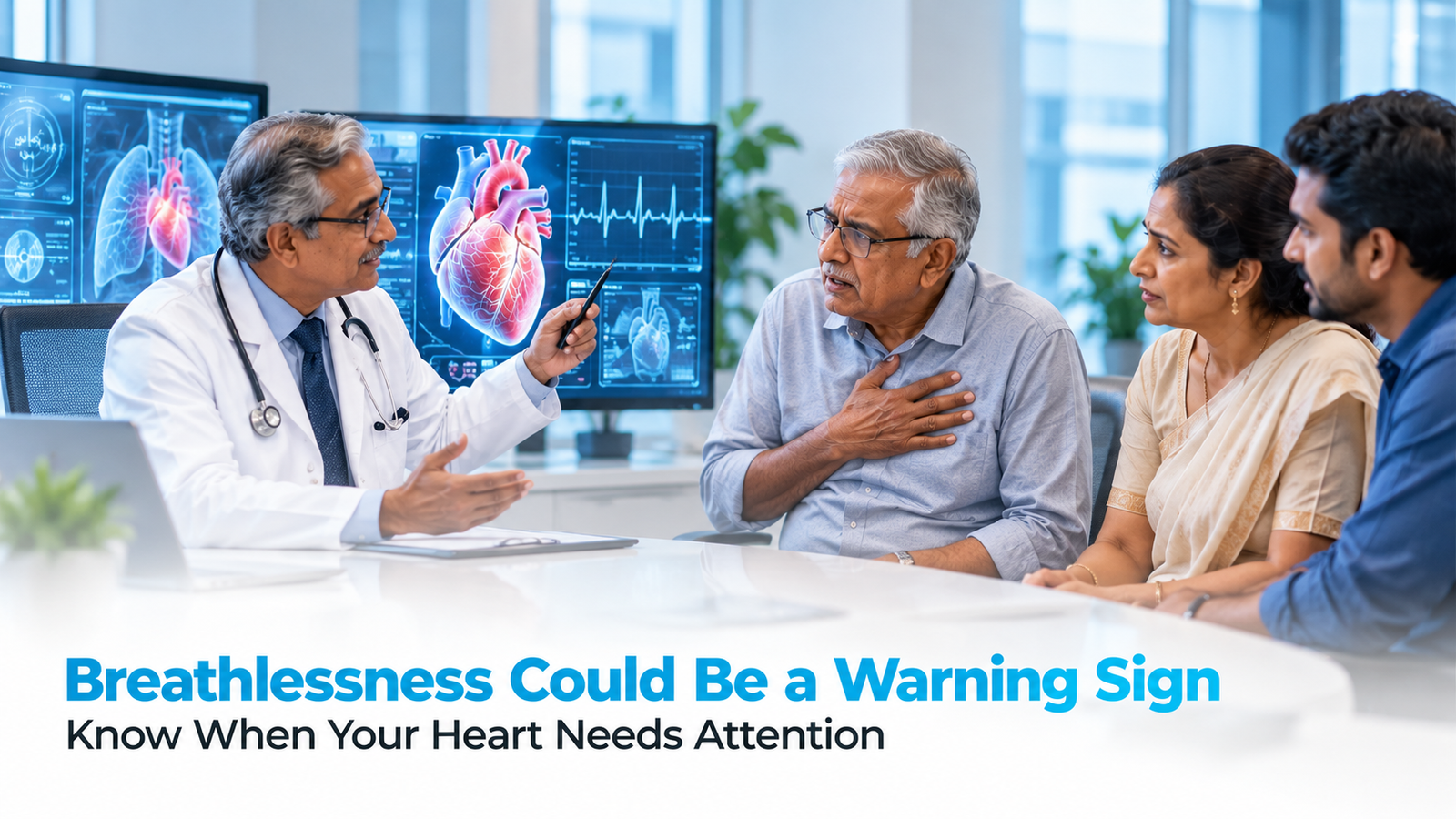
Shortness of breath is a common symptom that can occur after exercise, during illness, or even because of stress. However, unexplained or recurring breathlessness should not always be ignored.
In some people, shortness of breath can be associated with an underlying heart condition. It may occur when the heart is unable to pump blood efficiently or when the heart and lungs are affected by a cardiovascular problem.
Understanding when breathlessness may be related to the heart can help you recognize warning signs and seek appropriate medical care.
Shortness of breath, also called breathlessness or dyspnea, can feel different from person to person.
Some people may experience:
Occasional breathlessness after intense physical activity may be normal. However, unexplained, persistent or progressively worsening symptoms deserve attention.
Yes. Shortness of breath can sometimes be associated with heart disease.
The heart and lungs work closely together to supply oxygen to the body. When the heart’s ability to pump blood is affected, pressure can build up in the lungs, resulting in breathlessness.
Heart-related conditions that may cause shortness of breath include:
However, breathlessness does not automatically mean that you have a heart problem. A proper medical evaluation is needed to determine the underlying cause.
Certain patterns of breathlessness deserve closer attention.
If you become unusually short of breath while walking, climbing stairs or performing everyday activities that previously did not cause difficulty, it may be worth discussing with a doctor.
A gradual increase in breathlessness over weeks or months should not simply be attributed to ageing or lack of fitness without evaluation.
Some people with certain heart conditions may experience increased breathlessness when lying flat and may need to sleep with additional pillows.
Suddenly waking up at night because you cannot breathe comfortably can be an important symptom that requires medical attention.
Breathlessness becomes more concerning when it occurs together with symptoms such as:
These symptoms should be evaluated by a medical professional.
There are many possible causes of shortness of breath.
These can include:
This is why it is important not to assume that breathlessness is either a heart problem or simply a lung problem.
A doctor may consider your symptoms, medical history and examination findings before deciding whether cardiac or respiratory investigations are needed.
Unexplained breathlessness deserves particular attention in people who have cardiovascular risk factors.
You should consider discussing recurring symptoms with a doctor if you have:
Adults who develop new or unexplained breathlessness should not automatically assume it is simply due to age or reduced fitness.
A doctor may begin by understanding when the breathlessness occurs, how long it has been present and whether it is associated with other symptoms.
Depending on the situation, cardiac evaluation may include tests such as:
An electrocardiogram records the electrical activity of the heart and can help identify certain rhythm abnormalities and other cardiac findings.
An echocardiogram uses ultrasound to assess the heart’s structure and function. It can provide information about the heart chambers, pumping function and heart valves.
Blood tests may be recommended when the doctor suspects conditions such as anaemia or other problems that could contribute to breathlessness.
Depending on your symptoms and risk factors, your doctor may recommend additional tests to evaluate blood flow, heart rhythm or exercise-related symptoms.
The appropriate tests depend on the individual patient.
Some causes of breathlessness can be serious and require immediate medical attention.
Seek emergency medical care if sudden or severe breathlessness occurs, particularly when it is accompanied by:
Do not delay emergency care by trying to determine the cause yourself.
If you are experiencing unexplained or recurring breathlessness, a cardiac evaluation can help determine whether your symptoms may be related to the heart.
People searching for shortness of breath and heart problem care in Chennai should consider their complete health history rather than focusing on the symptom alone.
A cardiologist can assess your symptoms and cardiovascular risk factors and recommend appropriate investigations when necessary.
Shortness of breath can have many causes, and not every episode indicates heart disease. However, new, persistent, worsening or unexplained breathlessness should not be ignored.
Early evaluation can help identify potential heart problems and other medical conditions before they become more serious.
If you are experiencing recurring breathlessness, particularly along with chest discomfort, palpitations, dizziness, swelling or unusual fatigue, speak with a cardiologist for an appropriate evaluation.
Understanding the cause of breathlessness is the first step toward getting the right care and protecting your heart health.