Physical Address
304 North Cardinal St.
Dorchester Center, MA 02124
Physical Address
304 North Cardinal St.
Dorchester Center, MA 02124
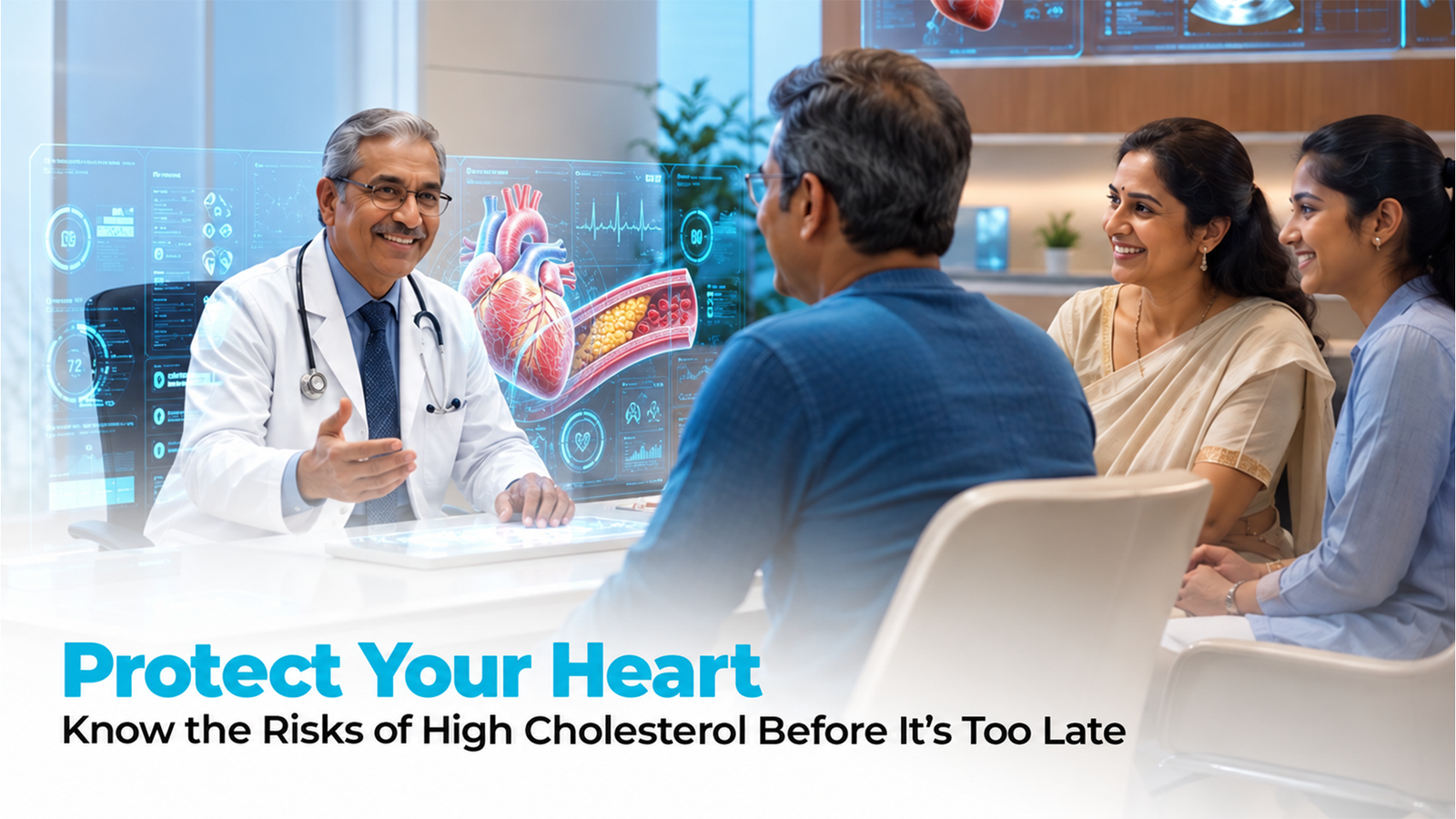
High cholesterol is one of the most important risk factors for heart disease, but it often goes unnoticed because it usually does not cause clear symptoms. A person can feel completely healthy while cholesterol gradually contributes to plaque buildup inside the arteries.
For adults over 35, regular cholesterol testing and cardiovascular risk assessment can be an important part of preventive heart care. Understanding your cholesterol levels, identifying other risk factors, and taking timely action can help protect your heart in the long term.
Cholesterol is a fatty substance that your body needs for several essential functions. However, having too much cholesterol in the bloodstream can increase the risk of problems affecting the heart and blood vessels.
A lipid profile generally looks at several important measurements:
Your doctor will consider these values along with your age, medical history and other heart disease risk factors.
When LDL cholesterol remains elevated over time, fatty deposits can accumulate within the walls of the arteries. This process is known as atherosclerosis.
As plaque develops, arteries can become narrower and less flexible. This may restrict blood flow to the heart and increase the risk of coronary artery disease.
In some situations, a plaque can rupture and contribute to the formation of a blood clot. This can potentially result in a heart attack or other serious cardiovascular complications.
This is why managing cholesterol is not simply about improving a blood-test number. It is an important part of protecting your overall cardiovascular health.
One of the main concerns with high cholesterol is that it usually does not produce noticeable symptoms.
You may not experience chest pain, breathlessness or fatigue simply because your cholesterol is elevated.
Instead, high cholesterol is generally identified through a blood test. This makes routine health screening particularly important for adults with cardiovascular risk factors.
A normal-feeling body does not necessarily mean that cholesterol levels are healthy.
There is no single cholesterol number that means exactly the same thing for every person.
Your cardiologist may assess your cholesterol together with factors such as:
For someone who already has cardiovascular disease or several risk factors, cholesterol management may require closer attention.
The goal is therefore not simply to ask, “Is my cholesterol high?” but also, “What does my cholesterol level mean for my overall heart risk?”
Adults should discuss appropriate cholesterol screening with their doctor, particularly if they have cardiovascular risk factors.
Testing may be especially important if you:
People with a strong family history of high cholesterol or early heart disease may require evaluation at a younger age.
Lifestyle plays an important role in maintaining healthy cholesterol levels and reducing cardiovascular risk.
Include more vegetables, fruits, whole grains, legumes, nuts and other nutrient-rich foods. Limiting foods high in saturated and trans fats can also support healthier cholesterol levels.
Regular physical activity can support cardiovascular fitness, weight management and healthy cholesterol levels.
Choose activities that are appropriate for your age and health condition, particularly if you already have a heart condition.
Excess body weight can contribute to several cardiovascular risk factors, including high cholesterol, high blood pressure and diabetes.
Smoking damages blood vessels and significantly increases cardiovascular risk. Quitting smoking is one of the most important steps you can take for better heart health.
High blood pressure and diabetes can increase cardiovascular risk when they occur alongside high cholesterol. Managing these conditions together is an important part of preventive cardiology.
Lifestyle changes are important, but they may not be sufficient for everyone.
Depending on your cholesterol levels and overall cardiovascular risk, your doctor may recommend cholesterol-lowering medication.
People with established heart disease or certain high-risk conditions may require more intensive cholesterol management.
Medication decisions should always be based on an individual medical assessment. Do not start, stop or change cholesterol medication without discussing it with your doctor.
For people looking for cholesterol and heart disease care in Chennai, a comprehensive cardiovascular assessment can help identify the factors that may be increasing their risk.
At Shri Krishnasai Clinic, Dr. Harikrishnan provides cardiac evaluation and preventive heart care alongside diagnostic services such as ECG, echocardiography and other cardiac assessments.
A heart-health assessment may be particularly useful for adults with high cholesterol, diabetes, high blood pressure, a family history of heart disease or other cardiovascular concerns.
Consider consulting a cardiologist if:
A cardiologist can assess your individual risk and recommend appropriate testing, lifestyle measures and treatment when necessary.
If you experience sudden or severe chest pain, significant breathlessness, fainting or other symptoms that could indicate a heart emergency, seek urgent medical attention.
High cholesterol may not give you a warning, but its effects on the arteries can develop gradually over many years.
Regular health checks, a balanced diet, physical activity, appropriate treatment and control of other risk factors can all contribute to better cardiovascular health.
If you are over 35 or have risk factors such as high cholesterol, diabetes, hypertension or a family history of heart disease, discussing your cardiovascular health with a cardiologist can help you understand your individual risk and take preventive action.
Early awareness and timely heart care can make an important difference to your long-term cardiovascular health.