Physical Address
304 North Cardinal St.
Dorchester Center, MA 02124
Physical Address
304 North Cardinal St.
Dorchester Center, MA 02124


Aortic stenosis is a heart valve condition in which the aortic valve becomes narrowed, making it harder for the heart to pump blood to the rest of the body. It is particularly common among older adults and can develop gradually over time.
In its early stages, aortic stenosis may cause few or no noticeable symptoms. However, when the condition becomes severe or symptoms begin to appear, leaving it untreated can place increasing strain on the heart.
Understanding the potential risks of untreated aortic stenosis can help patients and families recognize warning signs and seek timely medical evaluation.
The aortic valve controls blood flow from the heart’s left ventricle into the aorta, the body’s main artery. A healthy valve opens fully to allow blood to flow forward.
In aortic stenosis, the valve becomes narrowed or stiff. This means the heart must work harder to push blood through the smaller opening.
Age-related calcium deposits are a common cause, but aortic stenosis can also result from a congenital abnormality such as a bicuspid aortic valve or other valve-related conditions.
Yes. Aortic stenosis can progress over time, although the rate of progression varies between individuals.
Mild aortic stenosis may not require immediate valve replacement. Doctors may recommend regular monitoring through clinical assessments and echocardiograms.
As narrowing becomes more severe, the heart may have to work increasingly harder to maintain adequate blood flow. This can eventually affect the heart muscle and overall heart function.
Breathlessness, particularly during walking or physical activity, is a common symptom of significant aortic stenosis.
Patients may gradually reduce their activity because they become tired or short of breath. This can sometimes make the progression less obvious to family members.
New or worsening breathlessness should be evaluated rather than simply attributed to ageing.
Some people with significant aortic stenosis experience chest pain or pressure, particularly during exertion.
Chest pain can have several causes, including coronary artery disease, so appropriate cardiac evaluation is important.
Sudden, severe, or persistent chest pain requires urgent medical attention.
Severe narrowing of the aortic valve can limit the amount of blood the heart can pump during increased activity. Some patients may experience dizziness, light-headedness, or fainting.
Fainting in a person with known aortic stenosis should never be ignored and requires medical assessment.
As the heart continues to work against a narrowed valve, the heart muscle can become strained.
In advanced cases, this may contribute to heart failure. Symptoms can include increasing breathlessness, tiredness, difficulty lying flat, and swelling of the legs or ankles.
Patients with aortic stenosis may find everyday activities increasingly difficult.
Walking short distances, climbing stairs, shopping, or doing household tasks may become tiring. Over time, this can affect independence and quality of life.
Severe symptomatic aortic stenosis is a serious condition. Once significant symptoms develop, patients should be assessed promptly to determine whether valve intervention is appropriate.
The treatment decision depends on the individual’s symptoms, valve severity, heart function, age, overall health, anatomy, and other medical conditions.
Older adults may not always report symptoms clearly. Family members should pay attention to changes such as:
A gradual reduction in activity can sometimes be the first noticeable sign that a heart condition is affecting daily life.
A cardiologist may use several assessments to understand the severity of aortic stenosis.
An echocardiogram is one of the most important tests because it allows doctors to examine the heart valves and assess blood flow through the aortic valve.
Depending on the patient’s condition, additional tests such as an ECG, CT scan, blood tests, or other cardiac investigations may be recommended.
Regular follow-up is especially important for patients who have already been diagnosed with valve disease.
Not necessarily.
Treatment depends on the severity of the valve narrowing and whether the patient has symptoms or evidence that the heart is being affected.
Patients with mild or moderate disease may sometimes be monitored through regular follow-up.
For patients with severe aortic stenosis, particularly when symptoms or other concerning findings are present, valve replacement may be considered.
Treatment options can include surgical aortic valve replacement (SAVR) or Transcatheter Aortic Valve Implantation (TAVI) for appropriately selected patients.
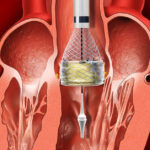
TAVI is a minimally invasive procedure used to replace a diseased aortic valve. Instead of conventional open-heart surgery, a replacement valve is delivered through a catheter and positioned within the existing valve.
For selected patients, particularly some older adults or those with increased surgical risk, TAVI may be an appropriate treatment option.
However, TAVI is not suitable for everyone. A detailed evaluation by a cardiologist and heart team is necessary to determine the most appropriate treatment approach.
If you or a family member has been diagnosed with aortic stenosis, regular cardiology follow-up is important.
You should seek medical evaluation if there is:
For patients searching for an aortic stenosis specialist in Chennai, a timely consultation can help determine the severity of the condition and whether continued monitoring or valve treatment may be appropriate.
Aortic stenosis can remain unnoticed for years, but severe or symptomatic disease should not be ignored. As the valve becomes increasingly narrowed, the heart may have to work harder, potentially affecting heart function and a person’s quality of life.
Regular cardiac evaluation can help monitor the condition and identify when treatment may be necessary. If you or a loved one has aortic stenosis or is experiencing symptoms such as breathlessness, chest pain, dizziness, or fainting, speak with a cardiologist for an appropriate evaluation.
Early recognition and individualized treatment planning can help patients make informed decisions about their heart valve health.