Physical Address
304 North Cardinal St.
Dorchester Center, MA 02124
Physical Address
304 North Cardinal St.
Dorchester Center, MA 02124

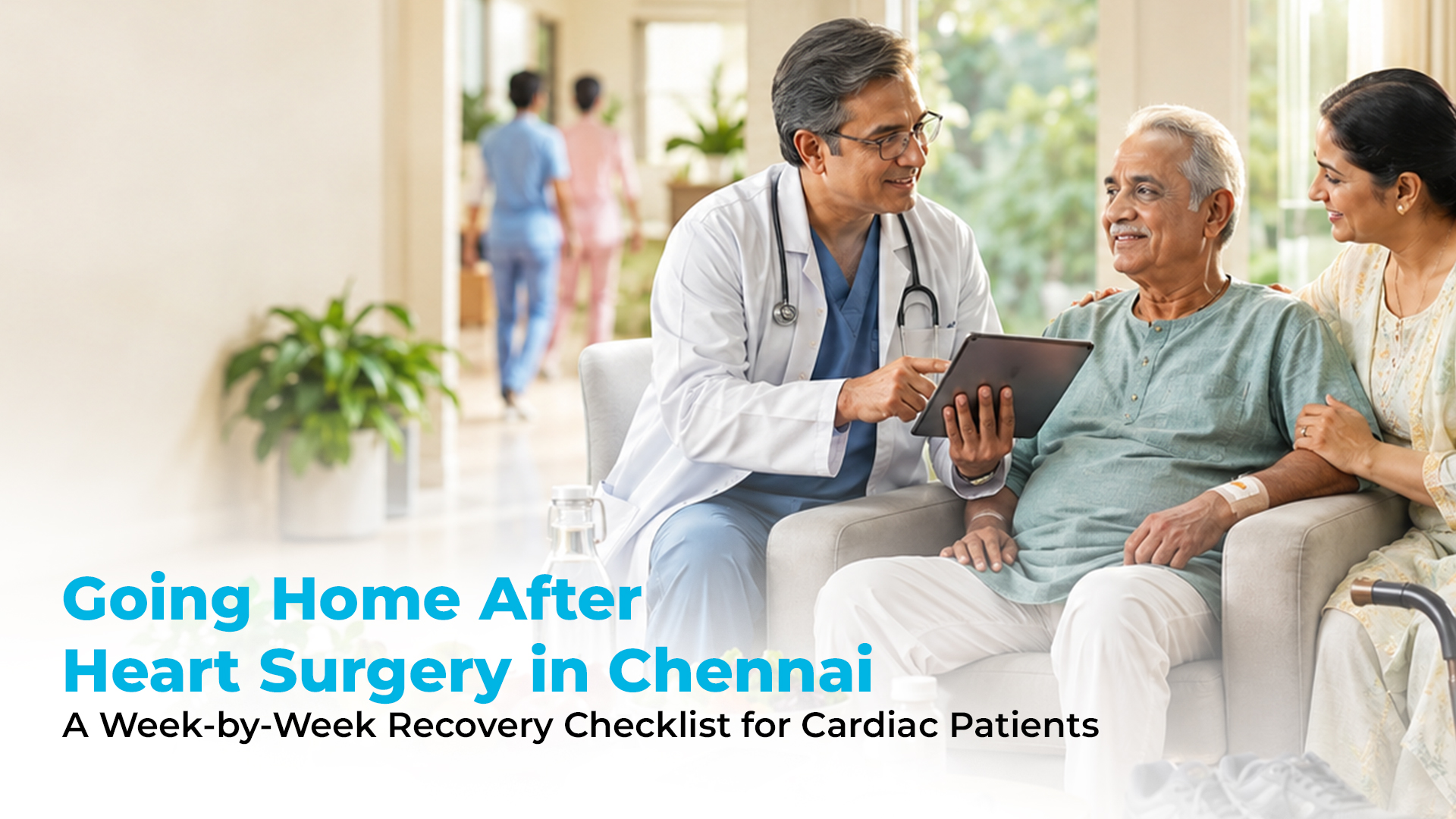
Recovering from heart surgery is a gradual process that continues long after you leave the hospital. While the surgery may have successfully treated your heart condition, proper care during recovery is essential for healing, regaining strength, and preventing complications.
This heart surgery recovery guide provides a simple week-by-week checklist to help patients and their families understand what to expect after returning home. Remember that every patient’s recovery is unique, so always follow your cardiologist’s and surgeon’s specific instructions.
Before discharge, your healthcare team will ensure that you are medically stable and ready to continue your recovery at home.
You should understand:
Having a family member or caregiver present during discharge instructions can be very helpful.
The first week at home is all about allowing your body to recover.
It is normal to experience mild fatigue, soreness, and reduced energy levels during this stage.
As your strength improves, you can gradually become more active without overexerting yourself.
Avoid rushing your recovery. Listen to your body and stop if you experience unusual discomfort.
By the third week, many patients notice improved stamina and breathing.
Your doctor may also discuss enrolling in a cardiac rehabilitation program.
Many patients begin feeling more comfortable performing daily activities by the fourth week.
Although you may feel stronger, your body is still healing internally.
Recovery continues steadily during this period.
Patients recovering from minimally invasive procedures may progress faster than those recovering from open-heart surgery.
Many patients are able to resume most routine activities by this stage, depending on the type of surgery and their overall health.
Recovery does not end after eight weeks. Maintaining heart-healthy habits is essential for long-term success.
Nutrition plays an important role in healing.
Choose foods such as:
Limit:
A balanced diet supports wound healing and overall cardiovascular health.
This heart surgery recovery guide would not be complete without knowing when to seek immediate medical care.
Contact your doctor immediately if you experience:
Prompt medical attention can prevent serious complications.
Recovering from heart surgery involves both physical and emotional healing.
Some patients experience:
Talking with family, joining a cardiac rehabilitation program, or speaking with your healthcare provider can help you manage these feelings.
Following this heart surgery recovery guide can make your recovery safer and more comfortable.
Remember to:
Small, consistent steps contribute to long-term heart health.
Recovering from heart surgery requires patience, commitment, and regular medical follow-up. Every week brings new improvements, but healing takes time. Following a structured heart surgery recovery guide, taking medications as prescribed, eating a healthy diet, staying active, and attending regular check-ups can help you regain strength and confidence.
If you ever have questions or notice unusual symptoms during recovery, don’t hesitate to contact your cardiologist. With proper care and healthy lifestyle choices, most cardiac patients can return to an active and fulfilling life after heart surgery.
Your recovery doesn’t end when you leave the hospital. Our experienced cardiac specialists are here to support you with personalized post-surgery care, regular follow-ups, and expert advice at every stage of your healing journey.
Book a consultation today to ensure a smooth recovery and take the next step toward a healthier, stronger heart.